
Why You Should Not DIY Wire Backup Power Into a Home Circuit
Connecting a generator, inverter or battery to your home's wiring without a licensed electrician is illegal in every Australian state and territory — and the risks go beyond a fine. The two failure modes are electrocution (of you or a lineworker on a dead line you've accidentally re-energised) and fire (from undersized wiring, poor connections or overloading). The right approach is either plug-in portable products or a professionally installed system. There is no safe middle ground.
- Plug-in portable stations are legal and safe — they connect via standard power points, not home wiring.
- Connecting any backup power source to fixed wiring requires a licensed electrician and, for grid-connected properties, DNSP notification.
- The "just use a transfer switch" shortcut still requires professional installation under AS/NZS 3000 wiring rules.
- A licensed electrician can install a proper changeover switch or sub-board — this is the right solution if you need circuit-level backup.
What "DIY wiring" actually means — and why it fails
The attractive-looking DIY approaches are all variations of connecting a power source (generator, inverter, portable station) to the home's wiring — usually through the meter box, a wall outlet modification or backfeed through a reversed extension cord.
The specific risks:
1. Anti-islanding: the lineworker problem
When the grid goes down, lineworkers assume the street cable is dead and work on it without switching off every individual property. If your DIY-connected generator is backfeeding the line, the "dead" cable is live. This has killed Australian workers. This is why grid-connected inverters must have anti-islanding protection, and why any backup system connecting to the home's wiring must be properly isolated from the grid by a licensed changeover switch.
2. Undersized wiring
A portable power station connected via an extension cord to a home circuit can draw more current than the extension cord or house wiring is rated for — especially if multiple circuits are connected. The failure mode is overheating and fire, typically in a wall cavity where the heat is contained.
3. Insurance and liability
A fire investigation that finds non-compliant wiring will void your home insurance. The policy exclusion is typically for "unlicensed electrical work" — and DIY wiring of backup power is exactly that.
What is allowed without an electrician
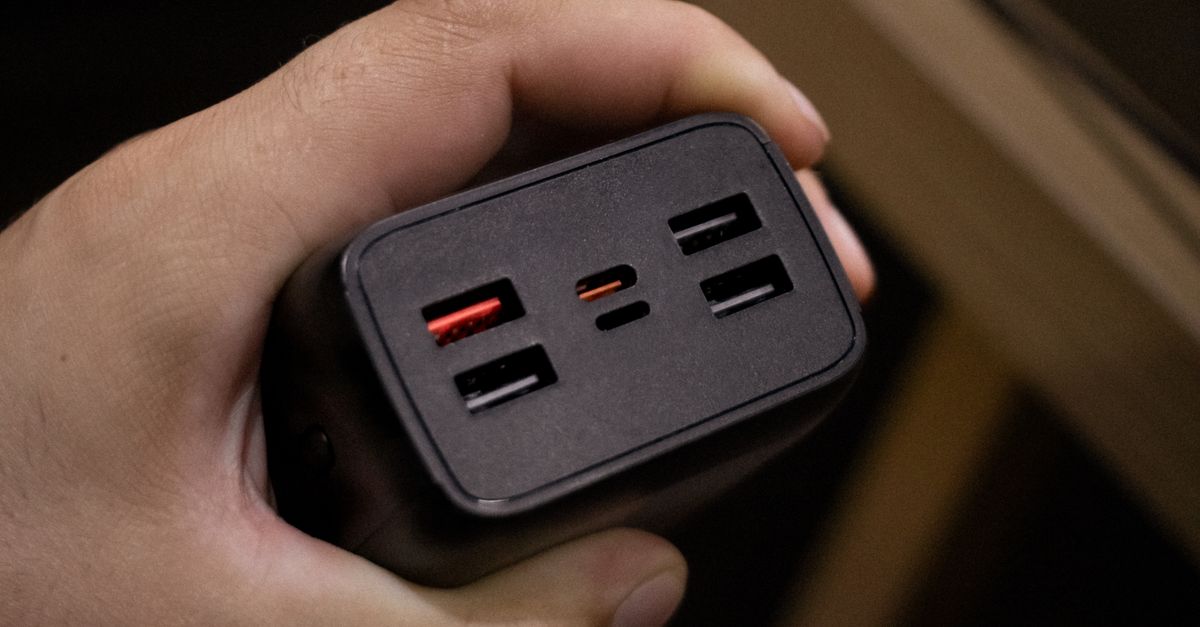
Portable power stations, UPS units and power banks connect via standard plugs into standard sockets — this is completely legal and requires no electrician. The station provides power to appliances plugged directly into it.
This covers:
- CPAP machines, medical monitoring equipment
- Laptops, phones, modem and router
- Portable lights and LED lamps
- Small bar fridges plugged directly into the station's outlets
- Power tools and equipment plugged directly into the station
The station is a self-contained unit. It charges from the grid (or solar panel), stores energy and delivers it via its own outlets. This is not wiring — it is plug-in use.
What requires a licensed electrician
Changeover switch (manual or automatic): an isolation device that disconnects the home from the grid before connecting a backup source to the home's wiring. This must be installed by a licensed electrician under AS/NZS 3000.
Critical circuit sub-board: a separate sub-board wired to cover specific circuits (fridge circuit, lighting circuit, modem outlet) that can be connected to backup power. Requires licensed installation.
Grid-connected home battery systems: all installed home batteries (Powerwall, Alpha ESS, etc.) require licensed installation and DNSP approval. They include built-in anti-islanding. These are not portable products.
Fixed EV chargers: hardwired, require dedicated circuit and licensed installation.
The portable approach avoids all of this
For most households, portable power stations cover the essential loads without touching the home's wiring:
- CyberPower UPS $76 — modem and router, 4–8 hours
- ALLPOWERS R600 $319 — CPAP, laptop, lights, devices for one night
- EcoFlow DELTA 2 $869 — fridge + devices + lights through an extended outage
These products are legal, safe, renter-friendly and available today. The limitation is that they only power appliances plugged directly into them — not the whole home's circuits.
Use plug-in portable products for backup without any wiring. If you need circuit-level backup or want to connect a generator or battery to your home's fixed wiring, engage a licensed electrician — it is the only legal and safe option in Australia.
Browse Backup Power picks for portable options that require no electrical work.