
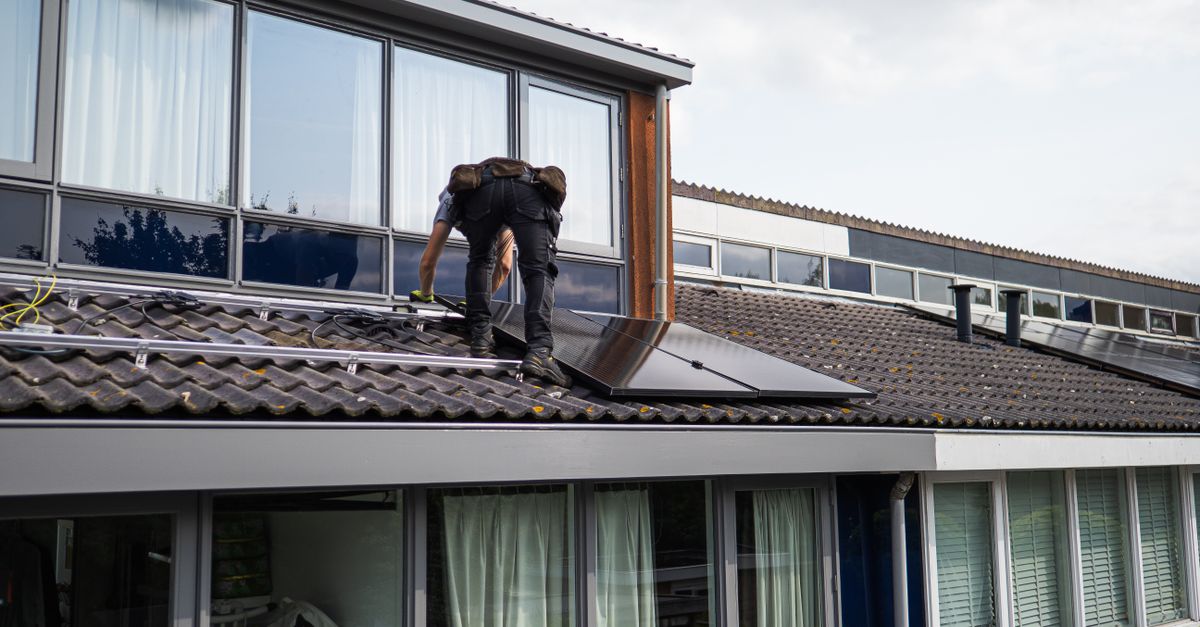
How to Find a Licensed Solar Installer Without Guessing
In Australia, rooftop solar installation for STC-eligible systems must use current Solar Accreditation Australia (SAA) installer/designer accreditation, as well as the separate state or territory electrical licence. Older quotes, reviews and homeowner shorthand may still say "CEC accredited", but CEC accreditation services have ceased and SAA is now the current accreditation body for the Small-scale Renewable Energy Scheme.
- SAA accreditation (not just an electrical licence) is required for STC-eligible grid-connected solar installations. Check the current Solar Accreditation Australia register.
- The electrical licence is separate from SAA accreditation — you need both to confirm the installer is legal for grid-connected solar.
- Three quotes minimum — not for price alone but to surface scope differences: what one quote includes that others omit.
- Written scope and written warranty are non-negotiable — if the installer will not provide these before signing, do not sign.
Why two licences matter for solar
A solar installation involves both electrical work (wiring, switchboard connections, metering) and solar-specific accreditation (system design, SAA accreditation, STC claim eligibility). An installer needs both.
What to check:
| Credential | What it confirms | Where to verify |
|---|---|---|
| State electrical licence | Legal to do electrical work in your state | State licensing authority (e.g., Service NSW, VBA, QBCC) |
| SAA accreditation (solar) | Current accreditation for STC-eligible solar design and installation | Solar Accreditation Australia register |
| SAA battery endorsement or relevant battery accreditation | If installing a battery | Solar Accreditation Australia register |
An installer may have a valid electrical licence but not SAA accreditation. That combination is insufficient for STC-eligible grid-connected solar. If STCs are included in the quoted price, the installer/designer accreditation must be current under SAA at the time of installation.
The scope problem: why two quotes can differ by thousands
Two quotes for the same system size can differ by thousands of dollars because they include different things. The cheaper quote is not always the better deal — it may exclude items that the site requires.
Common scope exclusions to check:
- Switchboard upgrade (required if the existing board cannot safely support the inverter; cost varies by site and should be priced in the written quote)
- Monitoring hardware and app setup
- Extended cable runs (e.g., roof to meter box distance over 15m)
- Concrete or tiled roof mounting (more labour than tin roof)
- Permit and grid connection fees (usually included but worth confirming)
- Removal and disposal of old hot water or electrical equipment on the roof
The fix: ask each installer to provide a written inclusions and exclusions list as part of the quote. If the written scope does not itemise switchboard, monitoring, cable run assumptions and permit fees, ask for it in writing before comparing prices.
What a warranty actually covers
Solar installations carry two separate warranties:
1. Product warranties — panel manufacturer and inverter manufacturer terms, which vary by brand and should be checked in the current warranty documents
2. Workmanship warranty — from the installing company, with the current minimum and exclusions confirmed in writing before signing
The risk: if the installing company closes or exits the market, the workmanship warranty becomes difficult to enforce even if it exists on paper. This is a real risk in Australia's solar industry — ask how long the company has operated and check their ABN registration date at ABN Lookup before signing.
Legacy CEC wording: older code-of-conduct references and public comments may still mention CEC. Treat that as historical context, then verify the installer's current SAA accreditation and separate state electrical licence before signing.
Red flags to recognise before signing
- Door-to-door solar quote with a same-day decision deadline
- No SAA accreditation details provided when asked
- "We can install it next week" for a complex job (approval and metering connection typically takes 2–6 weeks)
- Quote that does not itemise products by make, model and wattage
- Unusually low price with no written explanation of what is excluded
- Company with no verifiable reviews, no ABN, or ABN registered within the last 12 months
Check SAA accreditation and state electrical licence before accepting any quote. Ask for written scope (inclusions and exclusions list), product model numbers, workmanship warranty terms and the ABN. Get three quotes minimum — not just to compare price but to see what each installer thinks the job requires.
Browse solar and energy products to understand what a well-specified system includes before meeting with installers.